1
/
of
1
Oxford University Press, USA
Hedonic Eating: How the Pleasure of Food Affects Our Brains and Behavior
Hedonic Eating: How the Pleasure of Food Affects Our Brains and Behavior
Regular price
€61,95 EUR
Regular price
Sale price
€61,95 EUR
Shipping calculated at checkout.
Quantity
Couldn't load pickup availability
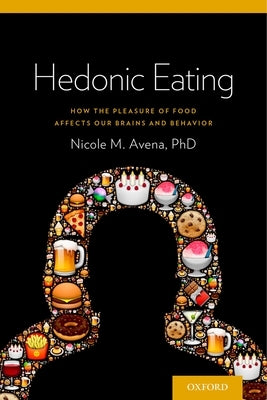
Overeating and obesity are on the rise. Despite public health warnings, availability of diet books and programs, and the stigma associated with obesity, many people find it difficult to achieve and maintain a healthy body weight. While there are many books on the topic of caloric or need-based
eating, obesity and overeating can also result from eating that is not driven by hunger. Recent research found that excess food intake is largely driven by the palatability of food and the pleasure derived from eating. Hedonic Eating: How the Pleasure of Food Affects Our Brains and Behavior discusses the pleasurable aspects of food intake that may cause and perpetuate overconsumption. Broad in its scope, this book examines the various behavioral, biological, and social rewards of food. The comprehensive chapters
cover topics ranging from the neurochemistry of food reward to the hotly debated concept of 'food addiction, ' while providing relevant and up-to-date information from the current body of scientific literature regarding food reward.
Author: Nicole Avena
Publisher: Oxford University Press, USA
Published: 06/15/2015
Pages: 240
Binding Type: Paperback
Weight: 0.90lbs
Size: 9.10h x 6.10w x 0.60d
ISBN: 9780199330454
eating, obesity and overeating can also result from eating that is not driven by hunger. Recent research found that excess food intake is largely driven by the palatability of food and the pleasure derived from eating. Hedonic Eating: How the Pleasure of Food Affects Our Brains and Behavior discusses the pleasurable aspects of food intake that may cause and perpetuate overconsumption. Broad in its scope, this book examines the various behavioral, biological, and social rewards of food. The comprehensive chapters
cover topics ranging from the neurochemistry of food reward to the hotly debated concept of 'food addiction, ' while providing relevant and up-to-date information from the current body of scientific literature regarding food reward.
Author: Nicole Avena
Publisher: Oxford University Press, USA
Published: 06/15/2015
Pages: 240
Binding Type: Paperback
Weight: 0.90lbs
Size: 9.10h x 6.10w x 0.60d
ISBN: 9780199330454
About the Author
Dr. Nicole Avena is a research psychologist and neuroscientists who is an expert in the fields of nutrition, diet and addiction. She received a Ph.D. in Psychology and Neuroscience from Princeton University in 2006, followed by a postdoctoral fellowship at Rockefeller University. She has published over 60 scholarly journal articles on topics related to diet, nutrition and overeating. Her research achievements have been honored by awards from groups including the NY Academy of Sciences, the American Psychological Association, and the National Institute on Drug Abuse.
Share