1
/
of
1
Oxford University Press, USA
Medical Nihilism
Medical Nihilism
Regular price
€48,95 EUR
Regular price
Sale price
€48,95 EUR
Shipping calculated at checkout.
Quantity
Couldn't load pickup availability
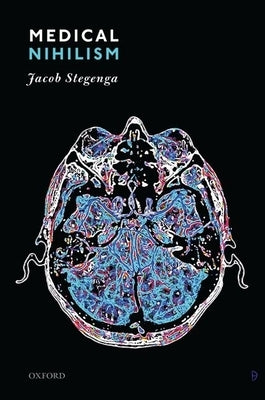
Medical nihilism is the view that we should have little confidence in the effectiveness of medical interventions. This volume argues that medical nihilism is a compelling view of modern medicine. If we consider the frequency of failed medical interventions, the extent of misleading evidence in
medical research, the thin theoretical basis of many interventions, and the malleability of empirical methods in medicine, and if we employ our best inductive framework, then our confidence in the effectiveness of medical interventions ought to be low. Part I articulates theoretical and conceptual
groundwork, in which Jacob Stegenga offers a defence of a hybrid theory of disease, which forms the basis of a novel account of effectiveness, and applies this to pharmacological science and to issues such as medicalization. Part II critically examines details of medical research. Even the very best
methods in medical research, such as randomized trials and meta-analyses, are malleable and suffer from various biases. Methods of measuring the effectiveness of medical interventions systematically overestimate benefits and underestimate harms. Part III summarizes the arguments for medical nihilism
and what this position entails for medical research and practice. To evaluate medical nihilism with care, Stegenga states the argument in formal terms. Medical nihilism suggests that medical research must be modified, that clinical practice should be less aggressive in its therapeutic approaches,
and that regulatory standards should be enhanced.
Author: Jacob Stegenga
Publisher: Oxford University Press, USA
Published: 07/28/2020
Pages: 248
Binding Type: Paperback
Weight: 0.90lbs
Size: 9.10h x 6.10w x 0.40d
ISBN: 9780198747208
medical research, the thin theoretical basis of many interventions, and the malleability of empirical methods in medicine, and if we employ our best inductive framework, then our confidence in the effectiveness of medical interventions ought to be low. Part I articulates theoretical and conceptual
groundwork, in which Jacob Stegenga offers a defence of a hybrid theory of disease, which forms the basis of a novel account of effectiveness, and applies this to pharmacological science and to issues such as medicalization. Part II critically examines details of medical research. Even the very best
methods in medical research, such as randomized trials and meta-analyses, are malleable and suffer from various biases. Methods of measuring the effectiveness of medical interventions systematically overestimate benefits and underestimate harms. Part III summarizes the arguments for medical nihilism
and what this position entails for medical research and practice. To evaluate medical nihilism with care, Stegenga states the argument in formal terms. Medical nihilism suggests that medical research must be modified, that clinical practice should be less aggressive in its therapeutic approaches,
and that regulatory standards should be enhanced.
Author: Jacob Stegenga
Publisher: Oxford University Press, USA
Published: 07/28/2020
Pages: 248
Binding Type: Paperback
Weight: 0.90lbs
Size: 9.10h x 6.10w x 0.40d
ISBN: 9780198747208
About the Author
Jacob Stegenga, University of Cambridge
Share