1
/
of
1
University of North Carolina Press
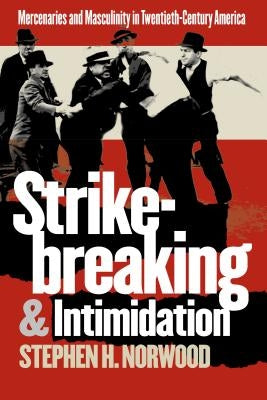
Strikebreaking and Intimidation: Mercenaries and Masculinity in Twentieth-Century America
Strikebreaking and Intimidation: Mercenaries and Masculinity in Twentieth-Century America
Regular price
€63,95 EUR
Regular price
Sale price
€63,95 EUR
Shipping calculated at checkout.
Quantity
Couldn't load pickup availability
This is the first systematic study of strikebreaking, intimidation, and anti-unionism in the United States, subjects essential to a full understanding of labor's fortunes in the twentieth century. Paradoxically, the country that pioneered the expansion of civil liberties allowed corporations to assemble private armies to disrupt union organizing, spy on workers, and break strikes. Using a social-historical approach, Stephen Norwood focuses on the mercenaries the corporations enlisted in their anti-union efforts--particularly college students, African American men, the unemployed, and men associated with organized crime. Norwood also considers the paramilitary methods unions developed to counter mercenary violence. The book covers a wide range of industries across much of the country.
Norwood explores how the early twentieth-century crisis of masculinity shaped strikebreaking's appeal to elite youth and the media's romanticization of the strikebreaker as a new soldier of fortune. He examines how mining communities' perception of mercenaries as agents of a ribald, sexually unrestrained, new urban culture intensified labor conflict. The book traces the ways in which economic restructuring, as well as shifting attitudes toward masculinity and anger, transformed corporate anti-unionism from World War II to the present.
Author: Stephen H. Norwood
Publisher: University of North Carolina Press
Published: 05/27/2002
Pages: 344
Binding Type: Paperback
Weight: 1.08lbs
Size: 9.30h x 6.24w x 0.81d
ISBN: 9780807853733
Review Citation(s):
Choice 11/01/2002 pg. 516
Norwood explores how the early twentieth-century crisis of masculinity shaped strikebreaking's appeal to elite youth and the media's romanticization of the strikebreaker as a new soldier of fortune. He examines how mining communities' perception of mercenaries as agents of a ribald, sexually unrestrained, new urban culture intensified labor conflict. The book traces the ways in which economic restructuring, as well as shifting attitudes toward masculinity and anger, transformed corporate anti-unionism from World War II to the present.
Author: Stephen H. Norwood
Publisher: University of North Carolina Press
Published: 05/27/2002
Pages: 344
Binding Type: Paperback
Weight: 1.08lbs
Size: 9.30h x 6.24w x 0.81d
ISBN: 9780807853733
Review Citation(s):
Choice 11/01/2002 pg. 516
About the Author
Norwood, Stephen H.: - Stephen H. Norwood, professor of history at the University of Oklahoma, is author of the award-winning Labor's Flaming Youth: Telephone Operators and Worker Militancy, 1878-1923.
Share