1
/
of
1
Texas Tech University Press
A Separate Country: Postcoloniality and American Indian Nations
A Separate Country: Postcoloniality and American Indian Nations
Regular price
$39.62 USD
Regular price
Sale price
$39.62 USD
Shipping calculated at checkout.
Quantity
Couldn't load pickup availability
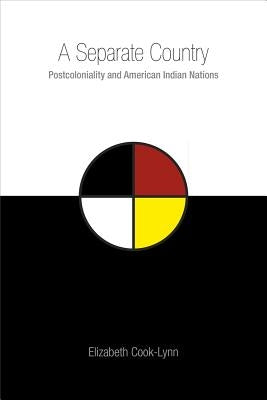
Elizabeth Cook-Lynn takes academia to task for its much-touted notion that "postcoloniality" is the current condition of Indian communities in the United States. She finds the argument neither believable nor useful--at best an ivory-tower initiative on the part of influential scholars, at worst a cruel joke. In this fin de career retrospective, Cook-Lynn gathers evidence that American Indians remain among the most colonized people in the modern world, mired in poverty and disenfranchised both socially and politically. Despite Native-initiated efforts toward seeking First Nationhood status in the U. S., Cook-Lynn posits, Indian lands remain in the grip of a centuries-old English colonial system--a renewable source of conflict and discrimination. She argues that proportionately in the last century, government-supported development of casinos and tourism--peddled as an answer to poverty--probably cost Indians more treaty-protected land than they lost in the entire nineteenth century. Using land issues and third-world theory to look at the historiography of the American Plains Indian experience, she examines colonization's continuing assault on Indigenous peoples. Also 04 Activeable in cloth, 978-0-89672-734-2, $65.00
Author: Elizabeth Cook-Lynn
Publisher: Texas Tech University Press
Published: 11/01/2011
Pages: 288
Binding Type: Paperback
Weight: 0.85lbs
Size: 8.90h x 6.00w x 0.40d
ISBN: 9780896727250
Review Citation(s):
Choice 09/01/2012
Author: Elizabeth Cook-Lynn
Publisher: Texas Tech University Press
Published: 11/01/2011
Pages: 288
Binding Type: Paperback
Weight: 0.85lbs
Size: 8.90h x 6.00w x 0.40d
ISBN: 9780896727250
Review Citation(s):
Choice 09/01/2012
About the Author
Elizabeth Cook-Lynn of the Crow Creek Sioux Nation is a writer, poet, and professor emerita of Native American studies at Eastern Washington University. Among her many honors is the Oyate Igluwitaya award given by Native university students in South Dakota to those who "aid in the ability of The People to see clearly in the company of each other."
Share