1
/
of
1
Independently Published
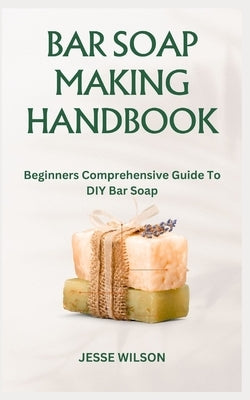
Bar Soap Making Handbook: Beginners Comprehensive Guide To DIY Bar Soap
Bar Soap Making Handbook: Beginners Comprehensive Guide To DIY Bar Soap
Regular price
$13.02 USD
Regular price
Sale price
$13.02 USD
Shipping calculated at checkout.
Quantity
Couldn't load pickup availability
Bar detergent has existed for an extremely long time. About 2800 BCE, the first soap was manufactured in ancient Babylon. Soap was produced by combining animal fats and ashes.
The ancient Egyptians created a soap-like substance by combining vegetable and animal oils with alkaline ions; therefore, they were also familiar with soap-making techniques. The Egyptians utilized soap for cleansing, laundering, personal hygiene, and bathing.
In addition to the ancient Greeks and Romans, the ancient Greeks and Romans valued the cleansing properties of soap. A bar of soap was made by adding ashes to simmering animal fats. Soap was an essential component of the Romans' daily sanitation regimen.
In Europe, soap production surged during the Middle Ages. In traditional soapmaking, animal fats and potash (potassium hydroxide) derived from wood ashes were the primary constituents. Combining lipids with a potash solution and simmering the mixture produced soap.
Modern bar soap is a combination of a fatty acid, such as coconut oil or olive oil, and an alkaline substance, such as sodium hydroxide or potassium hydroxide.
Saponification is the reaction between lipids and alkali that produces soap molecules. Pouring the completed mixture into molds and allowing it to set produces soap bars.
Over the years, various types of soap, fragrances, and additives have been devised for use in bar soap. The fact that it was initially designed to cleanse the epidermis has not changed.
Author: Jesse Wilson
Publisher: Independently Published
Published: 10/24/2023
Pages: 100
Binding Type: Paperback
Weight: 0.24lbs
Size: 8.00h x 5.00w x 0.21d
ISBN: 9798865331520
The ancient Egyptians created a soap-like substance by combining vegetable and animal oils with alkaline ions; therefore, they were also familiar with soap-making techniques. The Egyptians utilized soap for cleansing, laundering, personal hygiene, and bathing.
In addition to the ancient Greeks and Romans, the ancient Greeks and Romans valued the cleansing properties of soap. A bar of soap was made by adding ashes to simmering animal fats. Soap was an essential component of the Romans' daily sanitation regimen.
In Europe, soap production surged during the Middle Ages. In traditional soapmaking, animal fats and potash (potassium hydroxide) derived from wood ashes were the primary constituents. Combining lipids with a potash solution and simmering the mixture produced soap.
Modern bar soap is a combination of a fatty acid, such as coconut oil or olive oil, and an alkaline substance, such as sodium hydroxide or potassium hydroxide.
Saponification is the reaction between lipids and alkali that produces soap molecules. Pouring the completed mixture into molds and allowing it to set produces soap bars.
Over the years, various types of soap, fragrances, and additives have been devised for use in bar soap. The fact that it was initially designed to cleanse the epidermis has not changed.
Author: Jesse Wilson
Publisher: Independently Published
Published: 10/24/2023
Pages: 100
Binding Type: Paperback
Weight: 0.24lbs
Size: 8.00h x 5.00w x 0.21d
ISBN: 9798865331520
This title is not returnable
Share