1
/
of
1
Oxford University Press, USA
Cultures of Diplomacy and Literary Writing in the Early Modern World
Cultures of Diplomacy and Literary Writing in the Early Modern World
Regular price
$95.00 USD
Regular price
Sale price
$95.00 USD
Shipping calculated at checkout.
Quantity
Couldn't load pickup availability
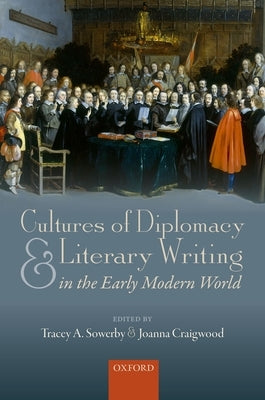
This interdisciplinary volume explores core emerging themes in the study of early modern literary-diplomatic relations, developing essential methods of analysis and theoretical approaches that will shape future research in the field. Contributions focus on three intimately related areas: the
impact of diplomatic protocol on literary production; the role of texts in diplomatic practice, particularly those that operated as 'textual ambassadors'; and the impact of changes in the literary sphere on diplomatic culture. The literary sphere held such a central place because it gave diplomats
the tools to negotiate the pervasive ambiguities of diplomacy; simultaneously literary depictions of diplomacy and international law provided genre-shaped places for cultural reflection on the rapidly changing and expanding diplomatic sphere. Translations exemplify the potential of literary texts both to provoke competition and to promote cultural convergence between political communities, revealing the existence of diplomatic third spaces in which ritual, symbolic, or written conventions and semantics converged despite particular
oppositions and differences. The increasing public consumption of diplomatic material in Europe illuminates diplomatic and literary communities, and exposes the translocal, as well as the transnational, geographies of literary-diplomatic exchanges. Diplomatic texts possessed symbolic capital. They
were produced, archived, and even redeployed in creative tension with the social and ceremonial worlds that produced them. Appreciating the generic conventions of specific types of diplomatic texts can radically reshape our interpretation of diplomatic encounters, just as exploring the afterlives of
diplomatic records can transform our appreciation of the histories and literatures they inspired.
Author: Tracey A. Sowerby
Publisher: Oxford University Press, USA
Published: 08/20/2019
Pages: 304
Binding Type: Hardcover
Weight: 1.40lbs
Size: 9.30h x 6.30w x 0.70d
ISBN: 9780198835691
impact of diplomatic protocol on literary production; the role of texts in diplomatic practice, particularly those that operated as 'textual ambassadors'; and the impact of changes in the literary sphere on diplomatic culture. The literary sphere held such a central place because it gave diplomats
the tools to negotiate the pervasive ambiguities of diplomacy; simultaneously literary depictions of diplomacy and international law provided genre-shaped places for cultural reflection on the rapidly changing and expanding diplomatic sphere. Translations exemplify the potential of literary texts both to provoke competition and to promote cultural convergence between political communities, revealing the existence of diplomatic third spaces in which ritual, symbolic, or written conventions and semantics converged despite particular
oppositions and differences. The increasing public consumption of diplomatic material in Europe illuminates diplomatic and literary communities, and exposes the translocal, as well as the transnational, geographies of literary-diplomatic exchanges. Diplomatic texts possessed symbolic capital. They
were produced, archived, and even redeployed in creative tension with the social and ceremonial worlds that produced them. Appreciating the generic conventions of specific types of diplomatic texts can radically reshape our interpretation of diplomatic encounters, just as exploring the afterlives of
diplomatic records can transform our appreciation of the histories and literatures they inspired.
Author: Tracey A. Sowerby
Publisher: Oxford University Press, USA
Published: 08/20/2019
Pages: 304
Binding Type: Hardcover
Weight: 1.40lbs
Size: 9.30h x 6.30w x 0.70d
ISBN: 9780198835691
About the Author
Tracey A. Sowerby, Programme Director, European Scholars Programme and Faculty Member, History Faculty, University of Oxford, Joanna Craigwood, Team Leader, Personal and Professional Development, HR Division, University of Cambridge
This title is not returnable
Share