1
/
of
1
Oxford University Press, USA
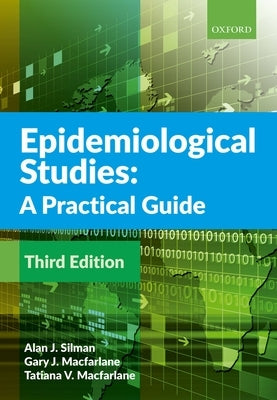
Epidemiological Studies: A Practical Guide
Epidemiological Studies: A Practical Guide
Regular price
$50.95 USD
Regular price
Sale price
$50.95 USD
Shipping calculated at checkout.
Quantity
Couldn't load pickup availability
To successfully conduct an epidemiological study, academic subject knowledge must be combined with careful consideration of the practical elements involved. From an academic perspective, insights into the basis of epidemiology, the concepts behind how we study diseases, and the challenges and
limitations of the results that emerge are prioritised. However, the success of the academic analysis depends on how, when, and where the data used is collected. Epidemiological Studies: A Practical Guide focuses on the practical challenges of epidemiological data collection. Essential topics, such as how to choose the population to study, how to maximise participation and retention, and how to frame questions so that subjects provide the information
required, are the core of the material presented. The book explains the skills needed to conduct a study where data is collected and presented accurately, and in appropriate formats. In addition to presenting a step-by-step guide to epidemiological investigations, the chapters in the book are accompanied by examples of how to phrase the letters and forms needed for each stage of conducting a study. Focusing on measurement, study designs, statistics, methodological issues, and
key skills, the book provides a valuable background to epidemiological study. With detailed tables and figures, a clear chapter outline, and a straightforward index, the information presented is easily accessible and can quickly be applied to the reader's own work. Extensively revised, this new edition includes updates on case-crossover, Mendelian randomisation, and case-cohort. New chapters have been added to reflect the areas a student is now likely to encounter in an introductory epidemiological course, such as evidence synthesis, use of routine data,
association or causation, feasibility, and pilot studies. Epidemiological Studies: A Practical Guide is ideal for students in epidemiology, public health, health research, and health services research. It is also highly relevant to post-graduate research students, and early stage clinical and
non-clinical researchers.
Author: Alan J. Silman, Gary J. MacFarlane, Tatiana MacFarlane
Publisher: Oxford University Press, USA
Published: 12/18/2018
Pages: 304
Binding Type: Paperback
Weight: 1.20lbs
Size: 9.60h x 6.80w x 0.80d
ISBN: 9780198814726
Musculoskeletal Health at the University of Oxford working in the fields of comorbidity and big data. Gary Macfarlane trained in statistics and then medicine at the University of Glasgow before undertaking a PhD in epidemiology at the University of Bristol. He was a cancer epidemiologist at the European Institute of Oncology, Milan, held the Chair in Epidemiology at the University of Manchester and
currently holds the same position at The University of Aberdeen (as well as being a Consultant in the Department of Public Health at NHS Grampian) with a research focus on musculoskeletal conditions. Tatiana Macfarlane trained in mathematics at Lomonosov Moscow State University. She was a cancer epidemiologist at the Blokhin Cancer Research Centre in Moscow, the International Agency for Research on Cancer in Lyons and the European Institute of Oncology in Milan. She undertook a PhD in
epidemiology at The University of Manchester Dental School where she was Lecturer then Senior Lecturer. She was a Reader in Epidemiology at The University of Aberdeen and is currently an epidemiologist at The University of Dundee.
limitations of the results that emerge are prioritised. However, the success of the academic analysis depends on how, when, and where the data used is collected. Epidemiological Studies: A Practical Guide focuses on the practical challenges of epidemiological data collection. Essential topics, such as how to choose the population to study, how to maximise participation and retention, and how to frame questions so that subjects provide the information
required, are the core of the material presented. The book explains the skills needed to conduct a study where data is collected and presented accurately, and in appropriate formats. In addition to presenting a step-by-step guide to epidemiological investigations, the chapters in the book are accompanied by examples of how to phrase the letters and forms needed for each stage of conducting a study. Focusing on measurement, study designs, statistics, methodological issues, and
key skills, the book provides a valuable background to epidemiological study. With detailed tables and figures, a clear chapter outline, and a straightforward index, the information presented is easily accessible and can quickly be applied to the reader's own work. Extensively revised, this new edition includes updates on case-crossover, Mendelian randomisation, and case-cohort. New chapters have been added to reflect the areas a student is now likely to encounter in an introductory epidemiological course, such as evidence synthesis, use of routine data,
association or causation, feasibility, and pilot studies. Epidemiological Studies: A Practical Guide is ideal for students in epidemiology, public health, health research, and health services research. It is also highly relevant to post-graduate research students, and early stage clinical and
non-clinical researchers.
Author: Alan J. Silman, Gary J. MacFarlane, Tatiana MacFarlane
Publisher: Oxford University Press, USA
Published: 12/18/2018
Pages: 304
Binding Type: Paperback
Weight: 1.20lbs
Size: 9.60h x 6.80w x 0.80d
ISBN: 9780198814726
About the Author
Alan J. Silman, Professor of Musculoskeletal Health, Botnar Research Institute, Nuffield Department of Orthopaedics, Rheumatology and Musculoskeletal Sciences, University of Oxford, UK, Gary J. Macfarlane, Professor of Epidemiology and Deputy Director of the Institute of Applied Health Sciences,
School of Medicine, Medical Sciences and Nutrition, University of Aberdeen, UK, Tatiana Macfarlane, Honary Reader, Epidemiology Group, Institute of Applied Health Sciences (Research), School of Medicine, Medical Sciences and Nutrition, University of Aberdeen, UK
Musculoskeletal Health at the University of Oxford working in the fields of comorbidity and big data. Gary Macfarlane trained in statistics and then medicine at the University of Glasgow before undertaking a PhD in epidemiology at the University of Bristol. He was a cancer epidemiologist at the European Institute of Oncology, Milan, held the Chair in Epidemiology at the University of Manchester and
currently holds the same position at The University of Aberdeen (as well as being a Consultant in the Department of Public Health at NHS Grampian) with a research focus on musculoskeletal conditions. Tatiana Macfarlane trained in mathematics at Lomonosov Moscow State University. She was a cancer epidemiologist at the Blokhin Cancer Research Centre in Moscow, the International Agency for Research on Cancer in Lyons and the European Institute of Oncology in Milan. She undertook a PhD in
epidemiology at The University of Manchester Dental School where she was Lecturer then Senior Lecturer. She was a Reader in Epidemiology at The University of Aberdeen and is currently an epidemiologist at The University of Dundee.
Share