1
/
of
1
University of Nebraska Press
Mining Archaeology in the American West: A View from the Silver State
Mining Archaeology in the American West: A View from the Silver State
Regular price
$54.00 USD
Regular price
Sale price
$54.00 USD
Shipping calculated at checkout.
Quantity
Couldn't load pickup availability
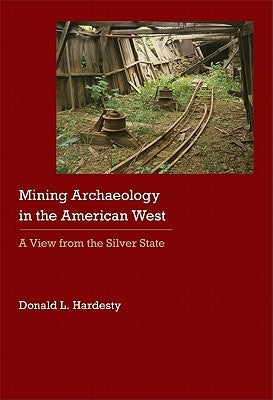
Mining played a prominent role in the shaping and settling of the American West in the nineteenth century. Following the discovery of the famous Comstock Lode in Nevada in 1859, mining became increasingly industrialized, changing mining technology, society, and culture throughout the world. In the wake of these changes Nevada became an important mining region, with new people and technologies further altering the ways mining was pursued and miners interacted. Historical archaeology offers a research strategy for understanding mining and miners that integrates three independent sources of information about the past: physical remains, documents, and oral testimony. Mining Archaeology in the American West explores mining culture and practices through the microcosm of Nevada's mining frontier. The history of mining technology, the social and cultural history of miners and mining societies, and the landscapes and environments of mining are topics examined in this multifocus research. In this updated and expanded edition of the seminal work on mining in Nevada, Donald Hardesty brings scholarship up to the present with important new research and insights into how people, technology, culture, architecture, and landscape changed during this period of mining history.
Author: Donald L. Hardesty
Publisher: University of Nebraska Press
Published: 07/01/2010
Pages: 240
Binding Type: Hardcover
Weight: 1.10lbs
Size: 9.00h x 5.90w x 0.90d
ISBN: 9780803224407
Author: Donald L. Hardesty
Publisher: University of Nebraska Press
Published: 07/01/2010
Pages: 240
Binding Type: Hardcover
Weight: 1.10lbs
Size: 9.00h x 5.90w x 0.90d
ISBN: 9780803224407
About the Author
Donald L. Hardesty is a professor of anthropology at the University of Nevada, Reno. He is the author of numerous publications, including Assessing Site Significance: A Guide for Archaeologists and Historians (with Barbara J. Little) and The Archaeology of the Donner Party.
Share