1
/
of
1
Oxford University Press, USA
Playboy and the Making of the Good Life in Modern America
Playboy and the Making of the Good Life in Modern America
Regular price
$39.95 USD
Regular price
Sale price
$39.95 USD
Shipping calculated at checkout.
Quantity
Couldn't load pickup availability
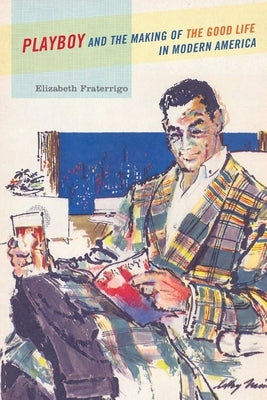
Launched by Hugh Hefner in 1953, Playboy promoted an image of the young, affluent, single male-the man about town ensconced in a plush bachelor pad, in constant pursuit of female companionship and a good time. Spectacularly successful, this high-gloss portrait of glamorous living and sexual
adventure would eventually draw some one million readers each month.
Exploring the world created in the pages of America's most widely read and influential men's magazine, Elizabeth Fraterrigo sets Playboy's history in the context of a society in transition. Sexual mores, gender roles, family life, notions of consumption and national purpose-all were in flux as
Americans adjusted to the prosperity that followed World War II. Initially, Playboy promised only entertainment for men, but Fraterrigo reveals that its vision of abundance, pleasure, and individual freedom soon placed the magazine at the center of mainstream debates about sex and freedom,
politics and pleasure in postwar America.
She shows that for Hugh Hefner, the good life meant the playboy life, in which expensive goods and sexually available women were plentiful, obligations were few, and if one worked hard enough, one could enjoy abundant leisure and consumption. In support of this view, Playboy attacked early
marriage, traditional gender arrangements, and sanctions against premarital sex. The magazine also promoted private consumption as a key to economic growth and national well-being, offering tips from The Playboy Advisor on everything from high-end stereos and cuff-links to caviar and wine.
If we want to understand post-war America, Fraterrigo shows, we must pay close attention to Playboy, its messages about pleasure and freedom, the debates it inspired, and the criticism it drew--all of which has been bound up in the popular culture and consumer society that surround us.
Author: Elizabeth Fraterrigo
Publisher: Oxford University Press, USA
Published: 10/01/2011
Pages: 308
Binding Type: Paperback
Weight: 0.85lbs
Size: 9.10h x 6.10w x 0.90d
ISBN: 9780199832453
adventure would eventually draw some one million readers each month.
Exploring the world created in the pages of America's most widely read and influential men's magazine, Elizabeth Fraterrigo sets Playboy's history in the context of a society in transition. Sexual mores, gender roles, family life, notions of consumption and national purpose-all were in flux as
Americans adjusted to the prosperity that followed World War II. Initially, Playboy promised only entertainment for men, but Fraterrigo reveals that its vision of abundance, pleasure, and individual freedom soon placed the magazine at the center of mainstream debates about sex and freedom,
politics and pleasure in postwar America.
She shows that for Hugh Hefner, the good life meant the playboy life, in which expensive goods and sexually available women were plentiful, obligations were few, and if one worked hard enough, one could enjoy abundant leisure and consumption. In support of this view, Playboy attacked early
marriage, traditional gender arrangements, and sanctions against premarital sex. The magazine also promoted private consumption as a key to economic growth and national well-being, offering tips from The Playboy Advisor on everything from high-end stereos and cuff-links to caviar and wine.
If we want to understand post-war America, Fraterrigo shows, we must pay close attention to Playboy, its messages about pleasure and freedom, the debates it inspired, and the criticism it drew--all of which has been bound up in the popular culture and consumer society that surround us.
Author: Elizabeth Fraterrigo
Publisher: Oxford University Press, USA
Published: 10/01/2011
Pages: 308
Binding Type: Paperback
Weight: 0.85lbs
Size: 9.10h x 6.10w x 0.90d
ISBN: 9780199832453
About the Author
Elizabeth Fraterrigo is Assistant Professor of History at Loyola University Chicago.
This title is not returnable
Share