1
/
of
1
University of North Carolina Press
Singing in My Soul: Black Gospel Music in a Secular Age
Singing in My Soul: Black Gospel Music in a Secular Age
Regular price
$63.68 USD
Regular price
Sale price
$63.68 USD
Shipping calculated at checkout.
Quantity
Couldn't load pickup availability
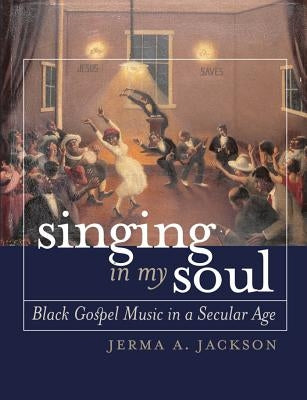
Black gospel music grew from obscure nineteenth-century beginnings to become the leading style of sacred music in black American communities after World War II. Jerma A. Jackson traces the music's unique history, profiling the careers of several singers--particularly Sister Rosetta Tharpe--and demonstrating the important role women played in popularizing gospel.
Female gospel singers initially developed their musical abilities in churches where gospel prevailed as a mode of worship. Few, however, stayed exclusively in the religious realm. As recordings and sheet music pushed gospel into the commercial arena, gospel began to develop a life beyond the church, spreading first among a broad spectrum of African Americans and then to white middle-class audiences. Retail outlets, recording companies, and booking agencies turned gospel into big business, and local church singers emerged as national and international celebrities. Amid these changes, the music acquired increasing significance as a source of black identity.
These successes, however, generated fierce controversy. As gospel gained public visibility and broad commercial appeal, debates broke out over the meaning of the music and its message, raising questions about the virtues of commercialism and material values, the contours of racial identity, and the nature of the sacred. Jackson engages these debates to explore how race, faith, and identity became central questions in twentieth-century African American life.
Author: Jerma A. Jackson
Publisher: University of North Carolina Press
Published: 04/19/2004
Pages: 208
Binding Type: Paperback
Weight: 0.57lbs
Size: 8.22h x 6.18w x 0.51d
ISBN: 9780807855300
Review Citation(s):
Choice 10/01/2004 pg. 302
Female gospel singers initially developed their musical abilities in churches where gospel prevailed as a mode of worship. Few, however, stayed exclusively in the religious realm. As recordings and sheet music pushed gospel into the commercial arena, gospel began to develop a life beyond the church, spreading first among a broad spectrum of African Americans and then to white middle-class audiences. Retail outlets, recording companies, and booking agencies turned gospel into big business, and local church singers emerged as national and international celebrities. Amid these changes, the music acquired increasing significance as a source of black identity.
These successes, however, generated fierce controversy. As gospel gained public visibility and broad commercial appeal, debates broke out over the meaning of the music and its message, raising questions about the virtues of commercialism and material values, the contours of racial identity, and the nature of the sacred. Jackson engages these debates to explore how race, faith, and identity became central questions in twentieth-century African American life.
Author: Jerma A. Jackson
Publisher: University of North Carolina Press
Published: 04/19/2004
Pages: 208
Binding Type: Paperback
Weight: 0.57lbs
Size: 8.22h x 6.18w x 0.51d
ISBN: 9780807855300
Review Citation(s):
Choice 10/01/2004 pg. 302
About the Author
Jerma A. Jackson is associate professor of history at the University of North Carolina at Chapel Hill.
Share