1
/
of
1
Oxford University Press, USA
Wisdom in Classical and Biblical Tradition
Wisdom in Classical and Biblical Tradition
Regular price
$87.00 USD
Regular price
Sale price
$87.00 USD
Shipping calculated at checkout.
Quantity
Couldn't load pickup availability
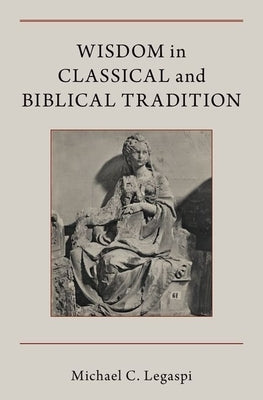
Wisdom in Classical and Biblical Tradition begins with the recognition that modern culture emerged from a synthesis of the legacies of ancient Greek civilization and the theological perspectives of the Jewish and Christian scriptures. Part of what made this synthesis possible was a shared
outlook: a common aspiration toward wholeness of understanding that refused to separate knowledge from goodness, virtue from happiness, cosmos from polis, and divine authority from human responsibility. This wholeness of understanding, or wisdom, featured prominently in both classical and biblical
literatures as an ultimate good. Michael Legaspi has two central aims. The first is to explain in formal terms what wisdom is. Though wisdom involves matters of practical judgment affecting the life of the individual and the community, it has also been identified with an understanding of the world and of the ultimate realities that
give meaning to human thought and action. In its traditional form, wisdom was understood to govern intellectual, social, and ethical endeavors. His second aim is to analyze figures and texts that have yielded and shaped the traditional understanding of wisdom. The book examines accounts of wisdom
within foundational texts that range from the period of Homer to the destruction of the Second Temple. In doing so, it explains why the search for wisdom remains an important but problematic endeavor today.
Author: Michael C. Legaspi
Publisher: Oxford University Press, USA
Published: 09/03/2018
Pages: 328
Binding Type: Hardcover
Weight: 1.25lbs
Size: 9.30h x 6.30w x 1.10d
ISBN: 9780190885120
Review Citation(s):
Choice 04/01/2019
outlook: a common aspiration toward wholeness of understanding that refused to separate knowledge from goodness, virtue from happiness, cosmos from polis, and divine authority from human responsibility. This wholeness of understanding, or wisdom, featured prominently in both classical and biblical
literatures as an ultimate good. Michael Legaspi has two central aims. The first is to explain in formal terms what wisdom is. Though wisdom involves matters of practical judgment affecting the life of the individual and the community, it has also been identified with an understanding of the world and of the ultimate realities that
give meaning to human thought and action. In its traditional form, wisdom was understood to govern intellectual, social, and ethical endeavors. His second aim is to analyze figures and texts that have yielded and shaped the traditional understanding of wisdom. The book examines accounts of wisdom
within foundational texts that range from the period of Homer to the destruction of the Second Temple. In doing so, it explains why the search for wisdom remains an important but problematic endeavor today.
Author: Michael C. Legaspi
Publisher: Oxford University Press, USA
Published: 09/03/2018
Pages: 328
Binding Type: Hardcover
Weight: 1.25lbs
Size: 9.30h x 6.30w x 1.10d
ISBN: 9780190885120
Review Citation(s):
Choice 04/01/2019
About the Author
Michael C. Legaspi is Associate Professor of Classics and Ancient Mediterranean Studies at Penn State University, and the author of The Death of Scripture and the Rise of Biblical Studies.
Share